




Author: Ryan Cooley, LBM Strategic Business Development Manager
Millwork is one of those areas in this industry that a lot of dealers respect but hesitate to step into. And I think that hesitation is understandable. It’s a category where mistakes can get expensive quickly, whether something is sized wrong, a detail is missed, or there’s a misunderstanding in a quote that leads to cost and frustration. Because of that, many dealers choose to stay focused on the areas they already know and leave millwork to others. It feels like the safer move. In the short term, it probably is. But what I see right now is a growing gap between that hesitation and the actual opportunity sitting in front of them.
The reality is that margin is not getting easier to find in this industry. Across core categories, there is constant pressure from pricing, competition, and customer expectations. That’s what makes millwork stand out right now. When you start talking about windows, doors, and even interior solutions like cabinets, you are operating in a very different margin environment. It’s common to see margins in the 30 to 40 percent range, sometimes even higher depending on the product, the customer, and the volume. That changes the equation for a dealer. At a time when margins in other areas are tightening, this is one of the few spaces where there is still meaningful opportunity to grow profit.
One of the biggest misconceptions is that you have to be an expert before you can even begin selling millwork, and that mindset keeps a lot of dealers from getting started. The reality is you do not need to have everything figured out on day one. You just need to be willing to take the first step with the right support around you. At Do it Best, we have built that support intentionally. A good example is our window program. Our millwork team can take project details and build a complete window quote using a JELD-WEN configurator, whether it is premium vinyl, aluminum clad, specific colors, or unique configurations. Our team knows all of the right questions to ask and we make sure we walk dealers through these questions in simple terms. We can get a quote put together, walk the dealer through the margin involved, make suggestions, and the dealer ends up with details that the can feel comfortable presenting to their customer. Orders can be placed and deliveries received without the dealer ever having to touch a configurator. They are stepping into the window space with real backing and real information, and from there they can learn as they go. We’ve had dealers start this way and eventually grow their window volume to the point where they are buying directly from window vendors and even place their own orders through various configurators. The point is, Do it Best has the means to help dealers enter the space in a very intentional way.
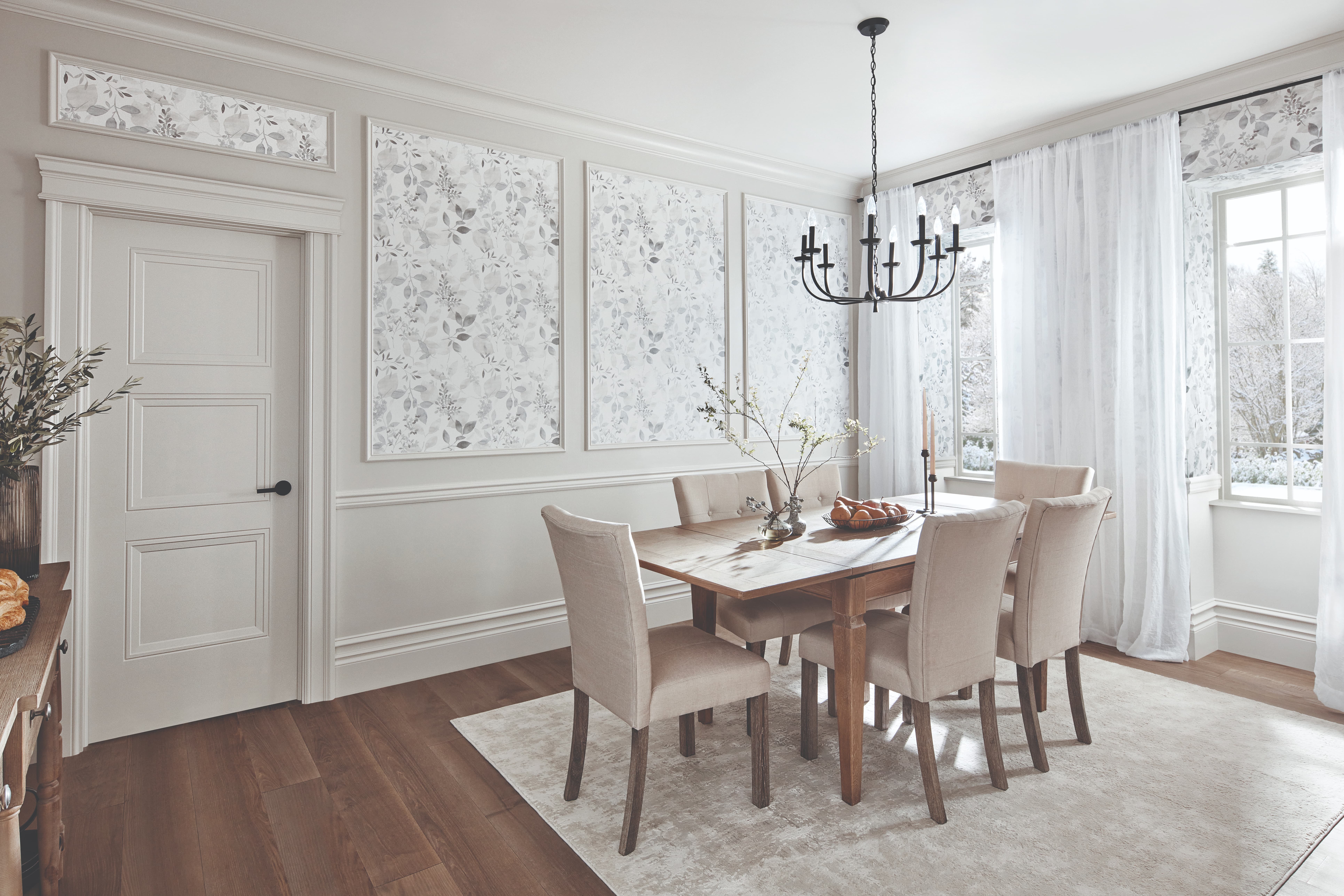
The same idea applies on the door side, and in many ways it is even more straightforward. We have strong partnerships with distribution vendors whose entire focus is making it easier for dealers to sell doors. Companies like Reeb, DW, Boise Cascade, and many more, have built systems, tools, and processes that take a lot of the complexity out of the equation. They ask the right questions, gather the right details, and use configurators that reduce the chance for error. While doors are still a detailed category, dealers are not navigating it alone. When you combine those vendor capabilities with the support from our internal millwork team, the barrier to entry is much lower than most people think.
That support is a big part of what changes the risk equation. The concern about making a costly mistake is real and should be taken seriously, but it should also be viewed in the context of what is available today. Between the Do it Best millwork team and our vendor network, there are built-in layers of support designed to reduce those risks. There are experienced people helping guide the process, asking questions, and making sure details are right before anything moves forward. It does not eliminate risk completely, but it removes the feeling that you’re on your own trying to get everything perfect the first time.
We have also made a clear investment in the educational side of millwork, which is just as important as the tools and vendor relationships. Recently, Do it Best hosted its first Millwork Academy, bringing dealers in to learn directly from industry experts and vendor partners. These sessions covered interior and exterior doors, windows, and the selling techniques that accompany them. It gave dealers the opportunity to hear from people who do this every day, ask questions, and build a better understanding of how to approach the category. That kind of hands-on, practical training helps take some of the uncertainty out of getting started and reinforces that dealers do not have to figure it out alone.
Over time, dealers who choose to lean into millwork will separate themselves. They’ll be able to offer a more complete solution to their customers and capture more of the total project, rather than handing off pieces of it to someone else. They will also benefit from margins that are becoming harder to find in other areas of the business. On the other side, dealers who continue to avoid the category are likely going to feel that gap more and more. Not just from a revenue standpoint, but also in how they show up to their customers. When a builder or homeowner is looking for materials, they will want to buy as much as they can from the providers they trust – that’s our dealers. If the contractors are already buying framing lumber and drywall from the local independent dealer, you can bet they’d want to try and buy the windows and doors from them too!
The path forward does not have to be all or nothing. The best way to approach this is to start small and build from there. Take on a window package where the quote is supported. Work with a vendor partner on a door project and let them guide the process. Ask questions, learn through experience, and build confidence with each job. Over time, what once felt complex becomes manageable and a natural part of the business rather than something out of reach.
Millwork is not the simplest category in this industry, and it probably never will be. There is detail involved, and precision matters, and that is part of what makes it valuable. What has changed is the level of support available to dealers who want to get into it. You do not have to figure it out alone, and you do not have to get everything right immediately. You have teams, tools, partners, and now even dedicated training opportunities that help guide the process and reduce risk along the way.
In a market where margins are tightening and competition is not going anywhere, it’s getting harder to justify staying on the sidelines. The opportunity is there, the support is there, and the path to getting started is clearer than ever. At some point, the bigger risk may be choosing not to take that step.