




Author: Ryan Cooley, LBM Strategic Business Development Manager
When people think about the lumber and building materials industry, they usually picture someone who has grown up in it. Someone who spent time in a yard, worked a counter, or came up through operations. And to be fair, a lot of the industry still looks like that today. That experience matters and always will. At the same time, what I have seen over the past several years is that there is real value in bringing people into the industry who did not start here.
I am one of those people. My background is in marketing and human resources, and before stepping into the LBM side of the business at Do it Best, my exposure to the industry was pretty limited. I supported the LBM team more from a policy implementation and hiring standpoint. I was not selling lumber or working with dealers day to day. I was focused on helping build teams and implement structure. By the time the opportunity rolled around for me to join the LBM team, I thought my experience with LBM gave me a pretty good starting point. By the time I actually transitioned over to the LBM team, I realized just how little I knew. And while I didn’t necessarily have the industry knowledge to hit the ground running, I did have a massive support system that was available (and, honestly, very willing) to help teach me.
I was not the first non-industry person to join the LBM team! Far from it, actually. A few years prior, the HR team and LBM leadership made a very intentional decision to start hiring people who were not necessarily LBM experts right out of the gate. That decision came with some risk. This is a complex industry with a lot to learn across products, pricing, logistics, and relationships. It is not something you pick up overnight. But we also knew that if you have the right culture and the right people in place, you can teach the industry. What you cannot as easily teach are the core traits that make someone successful.
We focused on bringing in people who are humble, hungry, smart, communicative, and willing to learn. People who are curious and open, not coming in assuming they already have all the answers. At the same time, we made sure our more seasoned team members were in positions to actively train and develop newer employees. These are individuals with decades of experience. Many have worked across multiple vendors, some have run lumber yards, and others have spent their careers building deep relationships in this space. You cannot replace that kind of experience, but you can absolutely share it.
There is a big difference between learning from a textbook and learning from someone who has lived it. You can study products and sit through training sessions, but it is not the same as having a conversation with someone who has seen how things actually play out over time. People who have been in this industry for 30-plus years have a perspective that you cannot shortcut. They know what works, what doesn’t, and how to navigate challenges that are not written down anywhere. When you combine that level of experience with someone who is eager to learn, things start to click much faster.
That dynamic also builds confidence. When a new team member knows they have someone they can go to who will take the time to explain something, it removes hesitation. It encourages questions and creates momentum. Over time, that combination of support and curiosity turns into real capability.
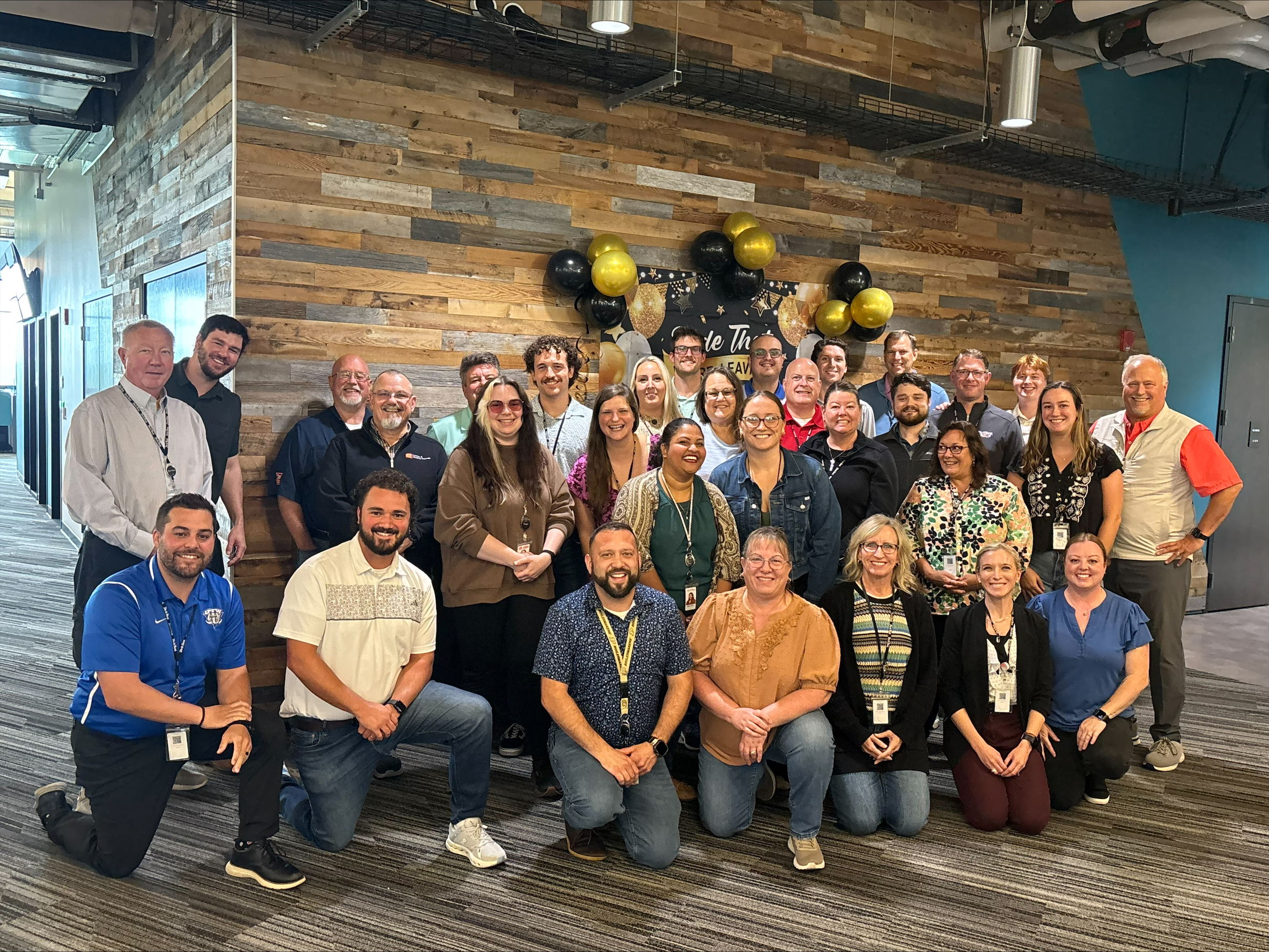
Fast forward to today, and the results of that approach are clear. Our team is strong, experienced, and more balanced than it has ever been. Many of our team members didn’t start in the LBM industry, but you wouldn’t know it by working with them today. They have learned the business, built relationships, and developed real expertise. At this point, the average Do it Best LBM team member has been with the company for nine years, and the combined years of industry experience across the LBM team is around 880 years. When you look specifically at our sales team, the average industry experience per team member is about 15 years. These are the people who work directly with our dealers every day, helping to solve problems, provide guidance, and deliver the right products.
Coming from the outside, you never quite know how you will be received. There is always that question of whether you will need to prove yourself in a different way. That has not been my experience within our Do it Best sphere of influence. Our vendor partners have been great, and our dealers have been just as supportive. There is a willingness to share knowledge and answer questions that makes it easier for people to get up to speed. That kind of environment matters more than people probably realize, especially when you are bringing in new talent.
A big part of making this work is creating an environment where it is okay not to know everything. That sounds simple, but it takes intention. People do not want to ask questions that might seem obvious, and they do not want to feel behind. The best people in this industry understand that and make it a point to create space for learning. They are the ones who reinforce that there are no dumb questions and take the time to explain both the what and the why. They remember what it felt like to be new, and they act on that in how they support others.
When that kind of culture is in place, development happens faster. People are more engaged, they ask better questions, and they take more ownership. You can see confidence build over time, and that translates directly into how they show up for dealers and partners.
The industry continues to evolve, and bringing in people with diverse backgrounds is one way to keep moving forward. It brings new perspectives and challenges assumptions in a productive way. At the same time, it highlights just how important experienced industry professionals are. They provide the foundation and ensure that what should not change remains consistent. It is not about replacing experience; it is about pairing it with new energy and potential.
Looking back, coming into the LBM industry from the outside felt like a significant shift. In reality, it has been a process of learning, asking questions, and relying on the people around me. What stands out most is that when you have the right mix of people, those who are new and those who have been in the industry for decades, you can build something that is stronger than either group on its own. The willingness to teach, the willingness to learn, and the understanding that nobody starts with all the answers is what makes it all work. When that environment exists, bringing new people into the industry is not a challenge. It becomes a real opportunity.