






The person who answers your call is the product. Ask how long they have been doing this, because in LBM, the answer changes what you get.
You call about a panel substitution on a job that ships Thursday.
Whoever picks up either knows what you’re dealing with or they don’t. There’s no middle version of that. They’ve either watched this market do this before, or they’re reading you a screen.
That’s the whole thing. Everything else about a supplier relationship comes after that.
The Questions Dealers Actually Ask Aren’t Lookup Questions
Here’s what doesn’t come in: what’s the price of this item?
What comes in is harder. Should I lock this in now or ride it another two weeks? This mill is out; what’s the closest substitute that won’t blow up the spec? My customer wants a profile nobody stocks; what are my options? I’m bidding a job nine months out, and I need to not lose money on it.
None of those have an answer in a system. They have an answer in somebody’s memory.
That’s what makes this business different from moving boxes. The lumber is the same wherever you buy it. The judgment isn’t.
What 33 Years Buys You
The category specialists who answer calls on panels, Southern Yellow Pine, Spruce-Pine-Fir, Western species, drywall, and millwork average 26 years in their specific area. The median is 33.
Read that again, because the median is the number that matters. It means more than half of those specialists have been doing one category for over three decades. Not building materials generally. That category.
Somebody who’s spent 33 years on panels has worked through housing booms, the 2008 collapse, a pandemic supply crunch, and every mill closure in between. When you call and describe a problem, you’re not explaining the industry first. You’re describing a situation they’ve seen a version of before, probably more than once.
That shortens the call. More to the point, it changes the answer you get.
The Number Nobody Puts on a Banner
Nine years.
That’s the average tenure of a Do it Best LBM team member, and it’s the least exciting statistic in this piece. It’s also the one dealers feel most.
Because the alternative is the thing every dealer has lived through. You spend a year teaching somebody your yard how you bid, what your market does in February. Which contractor calls at 6 a.m. and which one you can push. Then they’re gone, and you start over with someone who’s been in the seat six weeks.
Tenure isn’t a feel-good number. It’s the difference between a relationship and a transaction that has to be reintroduced every year.
And 91.6 percent of LBM leadership at Do it Best was promoted from within. The person managing a region didn’t arrive from another industry with a plan to shake things up. They came up through it.
Why This Is Getting Harder Everywhere
None of this is happening in a vacuum. The industry has a workforce problem, and it isn’t subtle. Trade groups have been pushing Washington on it for years, and labor shortages across the industry keep showing up as a constraint on operations rather than a hiring inconvenience.
Which means experienced people are getting harder to hold onto everywhere, including on the other end of your phone. Deep benches used to be normal. Now they’re what separates one supplier from the next, whether or not anybody planned it that way.
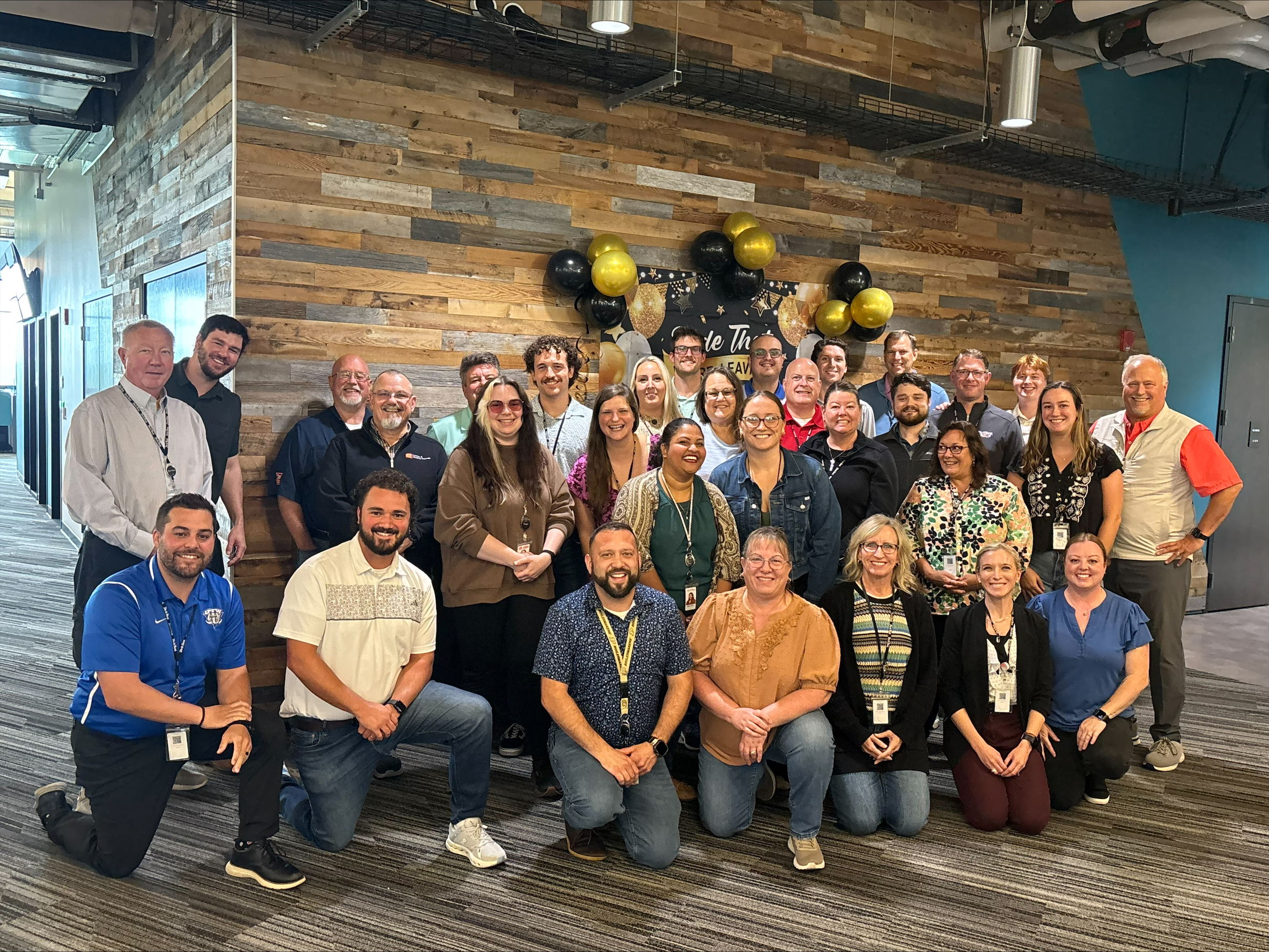
Add it up and the 80-plus LBM experts at Do it Best carry 880 years of industry experience between them. The sales team alone averages 15 years.
That’s not a call center. It’s a group of people who’ve been in this business longer than some of the yards they serve.
What It’s Actually For
Ryan Cooley, Midwest regional sales manager for LBM, puts the point of the job this way:
“Just knowing that a sale for us means that we’re giving a solution to an independent business owner, and if they’re succeeding, that means food is on their family’s table.”
That’s why the experience matters, and it isn’t sentiment. A specialist who steers you right on a substitution saves a job. A trader who reads the market correctly protects a bid you already quoted. Those aren’t favors. They’re the difference between a good year and a flat one, and they depend entirely on whether the person on the other end knows what they’re doing.
Try This
Next time you call any supplier with a hard question, ask the person how long they’ve been doing this.
Not to be difficult. Just to know.
The answer tells you what kind of relationship you actually have, and whether the advice you’re about to take is worth taking.
If you want to know who covers your categories and your market, ask your Do it Best LBM rep to introduce you. Or reach us at [email protected].